
Call them iPad kids or chronically online screenagers – universities and college students are inseparable from tech. Now add online convenience of campus food services to this mix, and you’ve got the perfect Venn diagram of campus comfort.
On campus, food isn’t just fuel; it shapes routines, boosts focus and is the single biggest driver of campus engagement. But as tech leaps forward, student expectations rise! Here’s how Dexterra Signature Dining has been doing things differently to keep up with the pace.
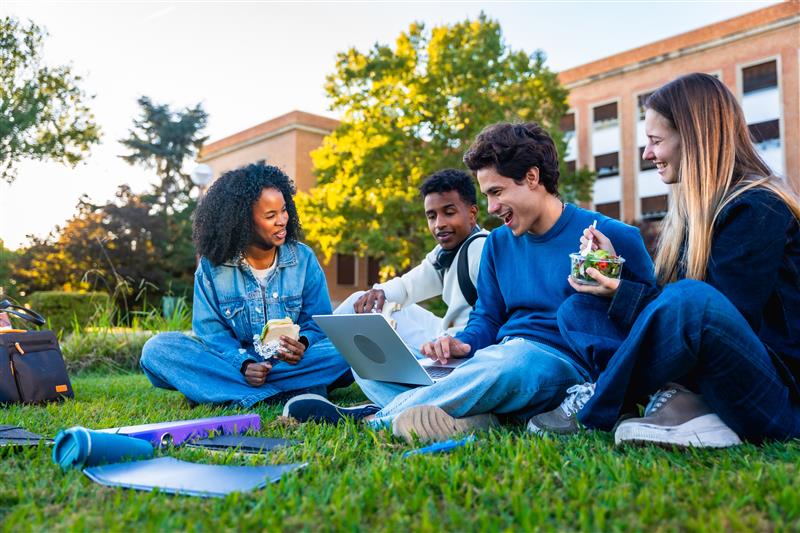
How Dexterra Signature Dining uses tech for on-campus food services
1. Social-first ordering
Gen-Z spends most of their time on Instagram, discovering new products as they scroll. So, instead of making them search, we appear where they already are! Our on-campus food services have virtual storefronts available on Instagram and Facebook. This cuts down the hassle of jumping between food apps or searching for discounts. The outcome? Less friction, faster decisions, and direct ordering.
2. Taps into impulsive food purchases
One-minute students are doomscrolling on Instagram. Next, a mouth-watering meal pops up on their feed. Cravings hit them instantly! Studies show that 40%-80% students tend to give in to impulse purchases. We capture this moment. With our social storefronts, students can act on impulse and place orders with a single click.
Snacking behaviour reinforces it. Chartwells’ 2026 Fall Flavor Forecast found students have swapped three meals for flexible, frequent micro-meals throughout the day. Therefore, campus dining must be available in those in-between moments and not just at noon.
3. Pre-order streamline rush hours
Campus rush hours can be chaotic. Long lines, packed hallways, and tight schedules make grabbing a meal stressful. Dexterra Signature Dining eliminates this stress with easy pre‑ordering options that streamline the on‑campus food experience.
Students can choose their meals ahead of time, skip lines, and pick up food when it fits their schedule. After hours of classes and assignments, they shouldn’t have to worry about what to eat or whether their favourites will sell out. Pre‑ordering makes campus dining feel effortless and dependable.
How technology empowers campus food service providers
1. Helps create data-driven menu
Online storefronts make it easy to track what students actually buy. Campus food service providers, like Dexterra Signature Dining, can use real-time data to create fresh, dynamic menus. These menus stay varied and never feel repetitive.
For example, students may often order certain salads or burgers. Chefs can then add new dishes that use the same ingredients. Students get more of what they love, without feeling like they’re eating the same thing every day. Plus, they keep coming back for more!
2. Reduces food wastage
Food waste is a major challenge for campus dining halls, but pre‑orders and smart, AI-driven tools keep it under control. Pre‑orders give staff a clear picture of exactly how much to prepare, reducing overproduction. Meanwhile, AI platforms like Winnow analyze waste patterns and give chefs actionable insights to make smarter, more efficient menu decisions.
3. Enables stronger student engagement
A tech‑first campus dining experience opens the door to direct, meaningful student feedback. Reviews, quick polls, and comment section conversations give campus food services instant insight into what students want. That connection drives genuine engagement. It also helps teams continuously improve their dining experience.
If your campus is looking for a social-first food experience that has locally crafted menus, reach out to us today!
Frequently asked questions
Students are looking for healthy, convenient, and customizable meal options that cater to diverse dietary needs. They also increasingly value sustainability, digital ordering, and transparent ingredient information.
Universities should look for a camp food service provider that offers menu variety, dietary accommodation, digital ordering capabilities, data-driven menu planning, and measurable sustainability initiatives such as waste reduction and local sourcing
Camp food services can personalize menus by tracking real ordering data instead of annual surveys, so chefs can rotate dishes weekly around what students are buying.