
What happens when skilled remote workers leave at a faster rate than they can be replaced? In early 2026, that’s exactly what played out across industries in the US, including construction, trade, and utilities. It points to a growing need to rethink how we support the people behind every project. One way forward is to design remote workforce accommodations that are more human-centered.
Why is Crew Retention a Bigger Risk at Remote Sites?
Working away from home for days, weeks, or months isn’t an easy feat. Long rotations, isolation, and tough conditions push even the most experienced workers to reconsider.
1. Physically and mentally demanding conditions
Long shifts, isolation, and harsh conditions are part of daily life for remote crews, leaving little time to recover between rotations. In fact, 19% of U.S. oil and gas workers report psychological disorders, revealing just how high the mental and emotional stakes are at remote sites.
2. Limited comfort outside of work hours
Research shows 16.6% of oil and gas workers sleep less than six hours a night, which actively disrupts their work. This can be exacerbated when accommodations feel temporary, uncomfortable, or poorly maintained; crews struggle to recharge between shifts.
3. High competition for skilled labor
Experienced workers have options. If living conditions don’t meet expectations, retention becomes a challenge. When crews feel overlooked or undervalued off the job, engagement drops. Productivity follows. Retention suffers. That’s why remote workforce accommodation plays such a critical role in long-term operational stability.
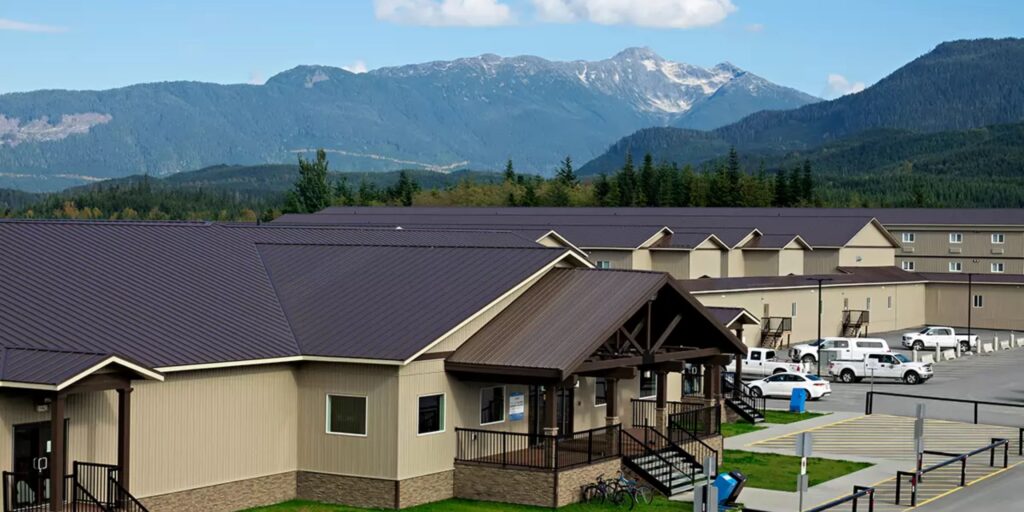
How Do Remote Workforce Accommodations Help Retain Your Crew?
Remote workforce accommodations go far beyond just providing a roof. When done right, they create a place where crews can rest, recover, and show up ready to perform.
1. Comfort that Supports Recovery
Quality rest is the foundation of crew performance. Without it, crews lose focus, slow down, and make costly mistakes. In the oil and gas sector alone, 14% struggle with daytime sleepiness that chips away at their ability to perform.
When remote workforce accommodations prioritize comfortable sleeping quarters, clean common areas, and reliable amenities, it gives workers the downtime they need to recover fully. Recreation spaces, fitness areas, and Wi-Fi connectivity also help crews decompress and stay connected with family. These help reduce isolation that often drives turnover at remote sites.
2. Nutrition that Fuels Performance
What crews eat directly impacts how they perform. Thoughtfully prepared, nutritious meals served consistently throughout the day keep energy levels stable and focus sharp.
In temporary workforce housing environments, where options are limited, the quality of food service can be the difference between a crew that stays and one that starts looking elsewhere. It supports physical health, boosts morale, and signals to workers that their well-being matters.
3. Faster Mobilization Sets the Tone
Crews travel hours – sometimes days – to reach a remote location. When they arrive at half-built facilities, missing amenities, or disorganized living quarters, they lose confidence in the operation fast. And workers, who feel overlooked on day one, start exploring alternatives by day thirty.
In contrast, turnkey workforce accommodations that are fully installed, commissioned, and operational before crews arrive reduce onboarding friction and help teams settle in faster. That early sense of “I’m taken care of” builds trust fast and directly impacts retention.
4. Consistent Services Create Stability
Consistency is what turns temporary workforce housing into a reliable environment crews can depend on. When housekeeping standards stay high, meals are served on time, and facilities are well-maintained day after day, it creates a sense of normalcy in an otherwise demanding setting. Stability helps crews mentally shift from “just getting through a rotation” to feeling genuinely supported.
What Should Remote Workforce Accommodations Include?
If you’re evaluating your current setup or planning a new project, here are the essentials to consider:
- Comfortable sleeping quarters with proper insulation and noise control
- All-inclusive dining with professionally prepared, nutritious meals
- Recreation and fitness facilities for physical and mental recovery
- Reliable Wi-Fi and connectivity to keep crews connected with family
- Housekeeping and janitorial services that maintain high standards of hygiene
- On-site safety and medical support for emergencies and routine care
- Scalable, relocatable structures that adapt as projects evolve
Remember, retention starts when the shift ends! At Dexterra, we think from the crew’s perspective. Our remote workforce accommodations, which include daily camp operations, catering, housekeeping, and janitorial services, keep your crew comfortable, valued, and ready to come back tomorrow.
Contact us to learn more!
Frequently Asked Questions
Yes. Modern temporary workforce housing is designed with modular, relocatable structures that can scale up or down based on crew size and project phases. This flexibility ensures remote workforce accommodations evolve with operational demands without disrupting day-to-day camp life.
Managing catering, housekeeping, maintenance, and facility operations under a single provider eliminates the inefficiencies of juggling multiple vendors. An integrated approach keeps remote workforce accommodations running smoothly, reduces response times, and lets project teams focus on operations instead of logistics.
With a turnkey provider, remote workforce accommodations can be fully installed, commissioned, and operational before crews arrive, reducing onboarding delays and setting a positive tone from day one.