

Across Canada, we hear regular updates about aging roads, bridges, and transit systems. But what about the public buildings that are so important to the sustained delivery of critical programs and services? Nearly everyone depends on public buildings at some point in their lives. Schools, courthouses, government offices, healthcare facilities, and transit hubs are prominent in most communities. In addition, Canadians have likely heard more and more about defence installations in recent times due to the political focus on defence spending.
Some signs of aging are easy to see, from deteriorating walls to unreliable heating and cooling. Others are hidden within the systems that keep buildings safe and operational.
The Canadian Infrastructure Report Card from 2019 indicated that between 30% and 35% of recreational and cultural facilities are in fair, poor, or very poor condition and in some categories (such as pools, libraries, and community centers), more than 60% are at least 20 years old. And that was almost 8 years ago!
A more recent research report from Gordian presents some startling stats on the spectrum of risk levels. Crown-owned buildings average 49 years in age. While buildings under 25 years old generally maintain low-to-medium risks of structural or system failures, those aged 25 to 49 years face higher risks as major components near the end of their useful life. Most critically, buildings exceeding 50 years old carry the highest risk for health and safety issues, with potential system failures and service delivery interruptions posing significant concerns.
Replacing aging infrastructure often dominates the conversation. But with replacement often impacted by budget constraints, not enough talk is occurring on the role of lifecycle management and preventive maintenance as a solution to keeping critical public services operational. Treating public facility repair as a one-time fix is a mistake. Focusing on asset stewardship as a discipline is what will help to address a mounting facilities crisis.
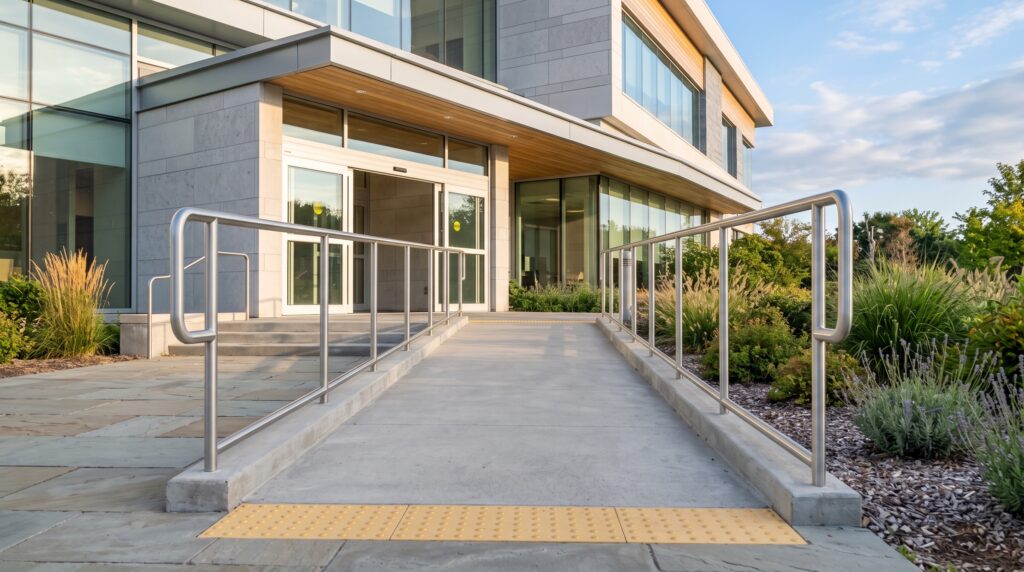
How the problem is bigger than maintenance
Federal government buildings, public safety installations, and secure government facilities represent a category of infrastructure where operational continuity, compliance rigor, and reliable service delivery are non-negotiable.
The impact of aging buildings goes well beyond visible wear and tear. As facilities get older, organizations often face a growing mix of operational, financial, and reputational challenges. Critical building systems become less reliable, increasing the likelihood of HVAC and plumbing failures, energy inefficiencies, indoor air quality issues, and deferred repairs. Over time, these problems can affect everything from service delivery and budget planning to sustainability performance and the overall experience of the people who rely on the facility.
Reactive maintenance becomes part of the vicious cycle. Not only is it not a sustainable ‘fix’ but it often costs more than planned maintenance and can make it more difficult to manage budgets and capital priorities. Buildings and systems break down again, money is spent on reactive maintenance, and budgets become an almost impossible balancing act.
The shift from fix-when-it-breaks to asset stewardship
Asset stewardship is the practice of caring for public infrastructure before problems occur. Through lifecycle planning, preventive maintenance, and data-driven decision-making, organizations can extend asset life, reduce costs, improve building performance, and make smarter investment decisions. Rather than spending more money on one-time fixes, leading organizations are focusing on facilities asset management to reduce risk and maximize the long-term value of public infrastructure.
The bottom line? The smartest operators are making better decisions about when and where to invest rather than simply spending more on one-time fixes.
Thinking of facilities management as a strategic function
Facilities management plays a direct role in protecting service continuity, managing risk, and maximizing the long-term value of public assets. This shift from simply maintaining buildings matters especially in the public sector, where the stakes are high and the margin for operational error is often very low.
Government facilities management teams need partners who can do more than respond to work orders. They need operators who can help extend asset life, improve operational efficiency, and support long-term infrastructure strategies. That requires experience not only in managing complex facilities, but in understanding the critical role those facilities play in public service delivery.
What effective public sector facilities management looks like
Managing aging public buildings is a combination of disciplines working together. When done well, it tends to follow a similar path:
Asset visibility
Understanding the true condition of building systems and components before something fails. Without that knowledge, every decision is reactive. With it, organizations can anticipate what’s coming and plan accordingly.
Planned preventive maintenance
Scheduled inspections, servicing, and repairs reduce the likelihood of unplanned disruptions and extend the productive life of aging equipment, often at a fraction of the cost of emergency repairs.
Energy optimization
Finding ways to reduce consumption without compromising service delivery can generate meaningful cost savings while also supporting broader sustainability commitments.
Occupant experience
Considering the comfort, safety, and accessibility of the people who work in and visit these spaces reflects directly on service delivery.
Integrated service delivery
Coordinating maintenance, cleaning, technical services, and support functions under a single operating model improves accountability and makes it easier to identify and resolve issues across a portfolio of properties.
Focusing on public infrastructure resilience
The conversation about aging public buildings is ultimately a conversation about resilience and how well the built environment can support public services not just today, but decades into the future. Instead of asking, “How do we fix this building?” the more productive question becomes, “How do we keep this asset performing reliably for as long as possible?”
Answering that question requires organizations to think beyond individual repairs and focus on long-term asset performance, operational continuity, and strategic stewardship. It means treating public facilities as strategic assets, not simply costs to be managed.
The practical solution
For governments in both Canada and the United States, simply replacing infrastructure faster is rarely feasible, nor does it address the underlying challenge. The greater opportunity lies in managing existing assets more strategically. Through proactive facilities management, lifecycle planning, and integrated service delivery, organizations can extend asset life, reduce risk, and improve building performance. As public facilities continue to age and expectations for service delivery grow, success will increasingly depend on partners who understand both the technical realities of managing complex facilities and the operational importance of keeping public services running smoothly.
That’s where partners like Dexterra can make a meaningful difference, by bringing the experience and operational discipline that aging public infrastructure increasingly demands.