
Imagine a sudden freeze that cracks the pipes or an icy walkway turning into a safety hazard. Seems like a nightmare, right? While winter may be a magical time for some of us, for facility maintenance providers, it comes with a new set of responsibilities. It’s the season that tests your facilities’ structural resilience and the efficiency of your winter maintenance strategy.
But what if this winter, you did things a little differently? By adopting a proactive approach with Dexterra’s winter facility maintenance checklist, you can drive safety, functionality, and efficiency throughout winter.

1. Inspect HVAC systems
Winters can make your heating systems work overtime to deliver a warm and comfortable environment. But without proper maintenance, that extra effort can quickly translate into higher energy costs and unexpected breakdowns. Worry not! A little proactive care from your facility operations and maintenance provider can make all the difference.
• Check air filters
Dirty air filters can make the HVAC system work twice as hard, increasing energy consumption. Regular checks or replacing the filters at scheduled intervals can aid indoor air quality (IAQ) and reduce costs too.
• Check for gaps in ductwork
Leaks or gaps in ductwork can cause heat loss. Sealing them helps maintain heat loss and IAQ.
• Check the thermostat settings
Optimize your thermostat settings to match the needs of each area in your facility.
2. Prep Plumbing Systems
When temperatures plummet, your plumbing system is put to the ultimate test. Frozen pipes don’t just disrupt operations but also lead to costly repairs. Consider this: in 2024, Square One reported a staggering 191% increase in frozen pipe insurance claims. That’s a clear sign that extreme weather can put a dent in your facilities’ infrastructure—and your budget. So, what can facility management providers in Canada do to stay ahead?
• Insulate exposed pipes
Exposed pipes are prone to freezing and can potentially burst. The smartest move? Assess all the pipes, repair leaks, and insulate them before winter strikes.
• Shut irrigation systems
Drain all outdoor sprinklers or irrigation systems, then shut off their water supply.
• Monitor indoor temperature
Cutting heat in less occupied areas may save costs, but it increases plumbing issues. Hence, it’s best to have heating throughout your facility to prevent frozen pipes.
3. Conduct Janitorial and Flooring Checks
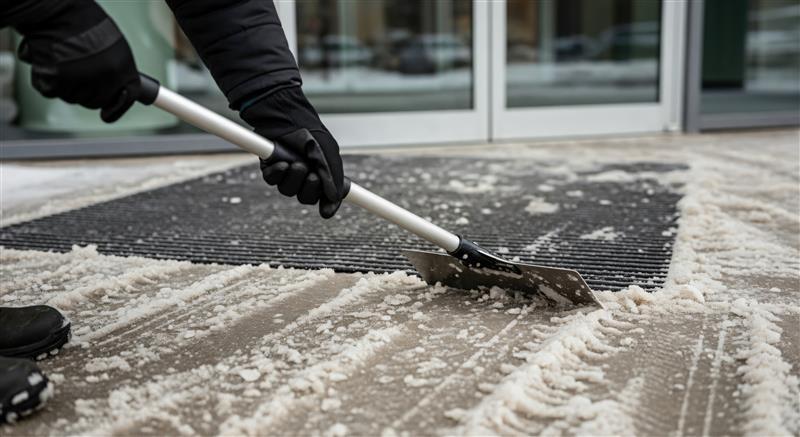
Ice and snow may look beautiful outside. But inside, they can sometimes cause injuries. Wondering how? When floors aren’t mopped promptly, especially in winter, salt and moisture can make the floor slippery and cause accidents. In fact, the Public Health Agency of Canada has found that 18% of fall-related injuries in Canada are caused by slipping on the icy or snowy surfaces. That’s your cue to keep indoor areas safe and dry while clearing outdoor walkways.
• Place winter mats
Locate all entrances and place heavy-duty absorbent mats. Make sure to replace them at regular intervals.
• Plan a floor cleaning schedule
Monitor high-traffic areas and ensure they are mopped frequently to prevent buildup of moisture and salt.
4. Inspect Roofs and Gutters
Snow or rain accumulation on roofs can lead to leaks or compromise the facilities’ structural integrity. This can pose hazardous risks to the building and its occupants. To mitigate these, facility maintenance service providers should:
• Clean the roof and gutters
Remove leaves or other debris to keep water flowing freely. This prevents clogs and stops moisture from seeping into the roof.
• Monitor minute details
Look for cracks, loose shingles, or clogged gutters and get them fixed immediately.
5. Keep A Close Eye on The Exterior of Your Facility
It’s easy to focus all your winter maintenance efforts on what’s happening indoors. However, snowy conditions can make the outdoors quite challenging! For instance, shorter daytime hours and icy conditions can turn navigation into a safety risk. As a facility manager, it is essential to include exterior facility maintenance in your proactive winterizing plan to ensure safety and accessibility for everyone.
• Monitor outdoor and parking lights
Check all exterior lighting regularly to maintain visibility during dark winter evenings. Replace bulbs and fix wiring issues promptly.
• Clear walkways
Closely monitor and remove ice or snow from sidewalks and entrances. Use de-icing products to prevent slips and place signage to warn occupants of any slippery areas.
• Check handrailings
Inspect railings along the stairs and ramps. Repair any damaged or loose fittings immediately to keep everyone safe.
6. Optimize Your Emergency Preparedness Plan for Winter
Do you remember the 2024 Western Canada deep freeze? It brought airports to a standstill and caused over $180 million in insured damages from burst pipes. Extremely cold weather like this can easily disrupt operations, cause power outages, and create safety hazards. To minimize downtime and protect occupants, facility maintenance service providers should include the following practices in their plan:
• Test backup power systems
Ensure generators and UPS units are functional and fueled.
• Stock emergency essentials
Keep flashlights, batteries, blankets, and first-aid kits accessible.
• Establish clear communication protocols
Share emergency contacts and procedures with staff.
By following this winter checklist, facility managers can be proactive in enhancing efficiency, comfort, safety and reducing costs.
Need help ticking off some of these things on your winter facility maintenance checklist? Connect with us and explore our integrated facility management solutions.